
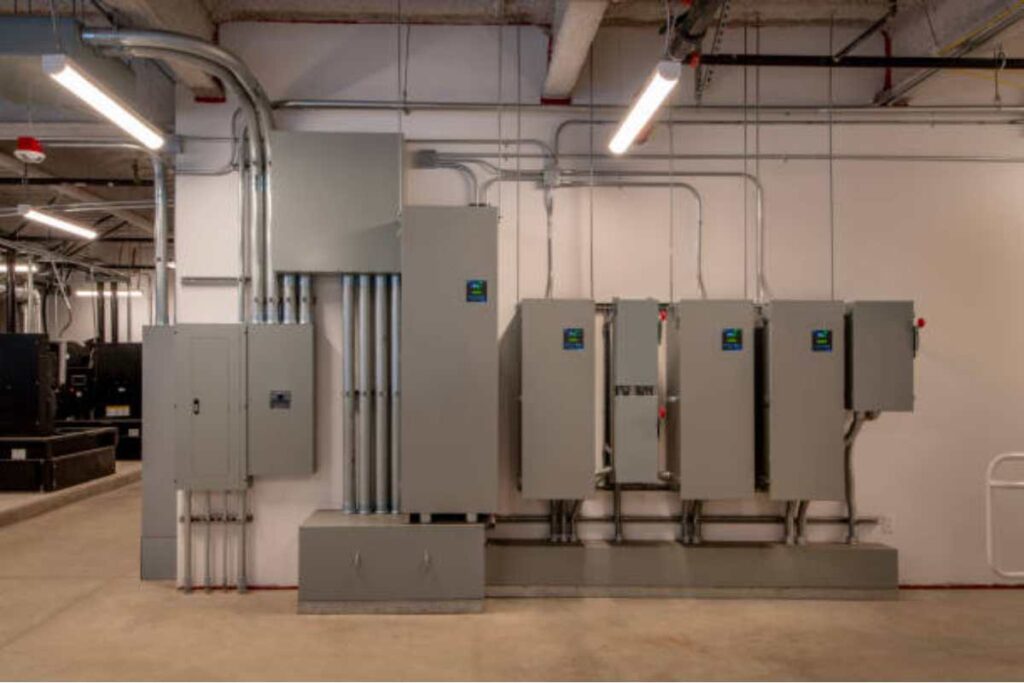
Most businesses don’t think about their electrical panel until something starts blinking, buzzing, or shutting down unexpectedly.
A breaker trips during peak hours. The HVAC struggles every afternoon. Someone plugs in a new piece of equipment and suddenly half the office loses power like a scene from a low-budget apocalypse movie.
That’s usually the moment people realize an uncomfortable truth:
The building outgrew its electrical system years ago.
Sizing commercial electrical panels from Verified Breakers correctly isn’t just about handling today’s demand. It’s about preparing for what happens next, more equipment, expanded operations, additional tenants, higher energy loads, and the endless arrival of new technology that somehow always needs “just one more dedicated circuit.”
Growth sounds exciting until the lights start flickering.
The Biggest Mistake: Planning Only for Current Demand
This happens constantly in commercial properties.
A business moves into a building and installs a panel designed precisely for existing needs. Technically, it works. Barely. There’s no extra room, no additional capacity, and no flexibility once operations expand.
Then reality arrives:
- new workstations
- upgraded HVAC systems
- larger refrigeration equipment
- EV chargers
- expanded manufacturing tools
- server rooms
- tenant improvements
Suddenly, the electrical system is operating at full capacity every day.
And electrical systems do not enjoy living under constant stress.
According to the U.S. Department of Energy, commercial buildings continue increasing electricity consumption as technology demands grow. Modern businesses simply use more power than buildings originally anticipated decades ago.
The panel that worked fine in 2012 may feel wildly undersized in 2026.
Understanding Load Calculations Without Falling Asleep
Electrical load calculations are essential, even if the phrase itself sounds like something designed to empty a conference room.
At its core, sizing commercial electrical panels involves determining:
- how much power the building currently uses
- peak usage periods
- future expansion plans
- equipment startup demands
- safety margins required by code
Not all electrical loads behave the same way. Lighting systems create one type of demand. Industrial motors create another. HVAC systems, refrigeration units, elevators, and server infrastructure all impact electrical usage differently.
And then there’s startup current, the brief but significant surge certain equipment draws when turning on.
That surge matters more than many building owners realize.
Future-Proofing Matters More Than Saving a Little Upfront
Here’s the temptation during construction or renovation projects:
Install the smallest acceptable panel. Save money now. Deal with upgrades later.
Later arrives fast.
Upgrading a commercial electrical panel after occupancy becomes dramatically more disruptive and expensive:
- shutdown scheduling
- operational downtime
- permit coordination
- rewiring
- inspection delays
- temporary power arrangements
What looked like savings initially often becomes a much larger cost later.
Experienced electricians and engineers typically recommend building additional capacity into commercial systems whenever possible. Not because they enjoy oversizing equipment unnecessarily, but because businesses evolve unpredictably.
Nobody opens a warehouse hoping operations stay small forever.
The EV Charging Effect Is Changing Everything
Commercial electrical planning has become significantly more complicated with the rise of electric vehicle infrastructure.
A few EV chargers may not seem dramatic at first glance. But large commercial charging setups can substantially increase building demand loads.
Property owners planning:
- apartment complexes
- retail centers
- office buildings
- mixed-use developments
- fleet facilities
are increasingly factoring future charging expansion into panel sizing decisions today.
Because retrofitting electrical infrastructure later tends to involve phrases like:
“This is going to cost more than expected.”
Which, historically speaking, nobody enjoys hearing.
Panel Space Matters Too, Not Just Capacity
Amperage gets most of the attention, but physical breaker space matters just as much.
A panel may technically support enough electrical load while still lacking room for additional circuits. That creates awkward situations where businesses need expensive subpanels or infrastructure modifications simply because expansion space wasn’t considered early enough.
Think of it like buying a storage closet for a growing company and acting surprised when it fills immediately.
Commercial growth rarely moves backward.
Older Buildings Create Unique Challenges
Many older commercial buildings were designed long before modern electrical expectations existed.
Back then, buildings didn’t anticipate:
- massive networking infrastructure
- cloud computing hardware
- high-efficiency HVAC systems
- security technology
- automated lighting controls
- industrial automation equipment
As businesses modernize, electrical systems often struggle to keep pace.
In some cases, existing electrical panels can be upgraded strategically. In others, entirely new distribution systems become necessary to safely support future demand.
That’s why proper assessment matters before expansion begins.
Reliability Is the Real Goal
People sometimes think electrical panel sizing is mostly about avoiding outages.
That’s part of it. But long-term reliability matters just as much.
An overloaded or poorly planned electrical system experiences:
- more breaker trips
- higher heat buildup
- increased wear on components
- reduced operational efficiency
- greater fire risks
According to the National Fire Protection Association, electrical distribution systems remain a leading contributor to commercial fire risks annually.
In other words, undersized infrastructure eventually becomes more than just inconvenient.
Growth Has a Way of Arriving Faster Than Expected
Businesses rarely stay electrically static.
A company hires more employees. Equipment changes. Tenants expand. Technology evolves. Operations increase. Suddenly the infrastructure that once felt oversized now feels tight.
That’s why sizing commercial electrical panels should always involve a conversation about the future, not just current operations.
Because the best electrical systems are the ones nobody notices.
No flickering lights. No overloaded circuits. No emergency shutdowns during busy hours.
Just reliable power quietly supporting growth in the background while the business focuses on everything else.