
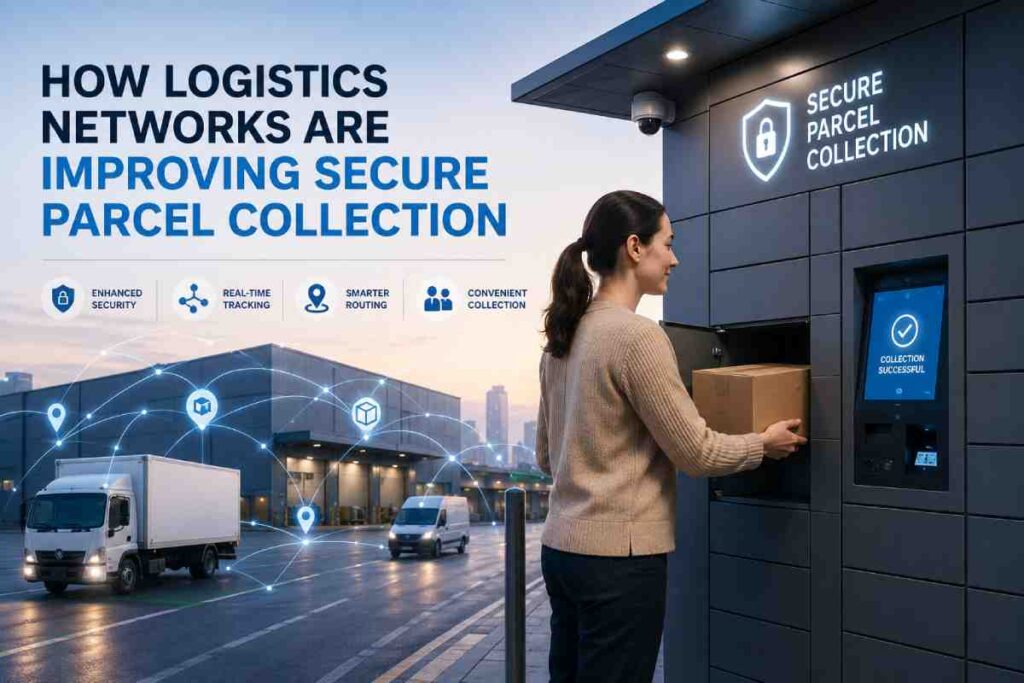
Online shopping has changed the way people buy everything from clothing to groceries, but it has also created new challenges for parcel delivery. Missed deliveries, stolen packages, and overcrowded collection points have become common frustrations for customers and delivery providers alike. As e-commerce continues to grow, logistics networks are evolving to make parcel collection more secure, efficient, and convenient.
Modern delivery systems are no longer focused solely on getting parcels from warehouse shelves to front doors. Instead, logistics providers are investing in smarter infrastructure and technology that improve the entire collection experience while reducing risks for both businesses and consumers.
The Growing Need for Secure Collection Solutions
Parcel theft has become a major concern in many areas. Leaving packages unattended outside homes or apartment buildings increases the chances of theft or damage, especially when recipients are not available during delivery hours.
At the same time, delivery companies face rising operational pressure. Failed delivery attempts cost time, fuel, and labor, while customer expectations for speed and reliability continue to increase. These challenges have pushed logistics networks to rethink how parcels are delivered and collected.
Secure collection systems help solve several problems at once. They reduce failed deliveries, improve customer convenience, and create safer ways for people to retrieve their packages without relying on traditional doorstep drop-offs.
Smart Locker Systems Are Transforming Delivery Networks
One of the biggest improvements in parcel security has been the rise of automated locker systems. Many logistics providers and property managers now use outdoor parcel lockers to create secure, self-service collection points for customers.
These systems allow couriers to place packages into locked compartments that can only be opened using a secure code or digital authentication method. Customers can then collect their parcels whenever it suits them, rather than waiting at home for a delivery window.
This approach improves flexibility for consumers while reducing pressure on drivers and support teams. It also helps businesses create more organized and scalable delivery systems, particularly in busy residential areas or commercial locations.
Better Tracking Improves Customer Confidence
Advanced parcel tracking has become a key part of secure logistics networks. Customers now expect real-time updates about where their parcels are, when they will arrive, and how they can collect them safely.
Modern tracking systems provide detailed delivery notifications, digital proof of delivery, and collection confirmations that improve transparency throughout the process. These updates reduce uncertainty and help customers feel more confident about the security of their deliveries.
For logistics companies, better tracking also improves operational visibility. Teams can monitor delivery performance, identify bottlenecks, and respond more quickly to issues before they become larger customer service problems.
Contactless Collection Is Becoming Standard
The demand for contactless services has accelerated in recent years, and logistics providers have adapted quickly. Secure parcel collection systems now often include mobile access, QR code scanning, and app-based verification to simplify the process.
These contactless solutions reduce physical interaction while speeding up collection times. Customers can retrieve their parcels quickly without needing assistance from staff or reception teams, making the experience smoother for everyone involved.
For apartment complexes, universities, office buildings, and retail centers, contactless parcel collection also reduces congestion and improves organization during busy delivery periods.
Logistics Networks Are Becoming More Efficient
Secure collection solutions do more than improve customer convenience. They also support wider efficiency goals across logistics networks.
When drivers can deliver multiple parcels to one secure location instead of making repeated door-to-door attempts, routes become faster and more fuel efficient. This helps reduce operational costs while supporting sustainability efforts through fewer vehicle journeys and lower emissions.
Centralized collection systems also allow logistics providers to manage growing parcel volumes more effectively. As online shopping continues to expand, scalable delivery infrastructure will become increasingly important for maintaining service quality.
The Future of Secure Parcel Collection
The future of logistics will likely focus even more heavily on automation, smart technology, and customer convenience. Artificial intelligence, predictive delivery systems, and integrated smart city infrastructure may further improve how parcels are managed and collected.
What remains clear is that secure parcel collection is no longer a luxury feature. It has become an essential part of modern logistics networks. Businesses that invest in smarter collection solutions can improve efficiency, strengthen customer trust, and create delivery experiences that better match the expectations of today’s consumers.