
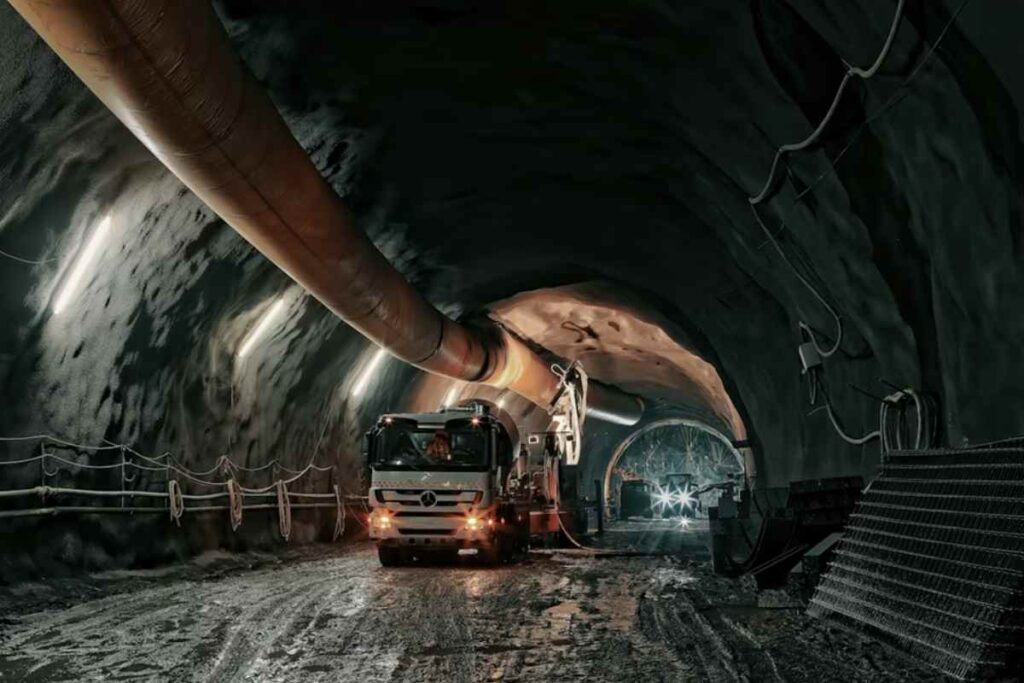
The mining sector depends on seriously tough equipment and clever structures to keep things moving smoothly. Whether it’s giant diggers, powerful drills, loaders, or thundering haul trucks, these machines keep the whole operation ticking along. They’ve come a long way too, stepping up from simple, back-breaking tools to today’s automated powerhouses that dig deeper, haul faster, and do it all with greater precision and efficiency.
But machines are just the beginning. Their secret weapon? High-quality fabrication. If you want components that stand up to relentless dust, vibration, and round-the-clock work, the way they’re built matters a great deal. Custom fabrication makes sure that each bit fits the job and handles whatever the mine throws at it. Getting this right is the difference between regular headaches and smooth operations, with less time wasted on repairs and more time spent getting the job done. Investing in better fabrication isn’t just smart, it’s essential for safer, more efficient mines.
The Role of Steel Fabrication in Mining
Steel fabrication holds a central position in mining, supplying everything from the frames of enormous diggers to the smallest protective guards on conveyor belts. Mining is seriously tough on equipment, so steel components need to be up to the challenge—resilient enough for constant jolts, impacts, and abrasive dust.
Fabricators put together the essential frames and chassis that keep heavy machinery ticking, making sure these pieces can take all kinds of punishment without missing a beat. Reinforced steel in these components helps machines keep running smoothly and, more importantly, safely, even where conditions are punishing day after day.
Then, there are wear-resistant parts like liners and buckets, which do the thankless job of facing the worst of the grit and gravel. Their durability means less time spent on repairs or replacements, which keeps mining operations rolling instead of grinding to a halt.
Steel fabrication also plays a big part in constructing support structures, like the criss-crossing conveyor systems that shuttle minerals across the site, sturdy platforms, walkways, and strong handrails that keep workers safe and moving efficiently. Because every mine is a bit different, many of these parts are custom-made to fit the site like a glove.
Another key point is precision. Steel fabricators are expert at making sure every component slots perfectly into place, cutting down the chance of breakdowns and keeping both safety and output high. Rigorous quality checks mean safety structures stay dependable over time, ready to stand up to whatever the mine (or weather) throws at them.
Without well-made steel components and smart fabrication, modern mining simply wouldn’t function as efficiently or as safely as it does today.
Fabrication of Mining Equipment Components
Building structural parts for mining equipment is absolutely vital, given how punishing mining environments can be. Heavy machinery frames and chassis, made with exacting steelwork, need to withstand relentless forces round the clock. Without tough, well-built steel structures, machines would simply buckle under pressure, putting both operations and safety at risk.
Strong structural components matter because they keep everything upright and working when faced with harsh conditions. Steel fabricators focus on the details, adapting each piece to precisely match what mining sites require. No two sites are quite the same, so this level of care is what keeps machines going day in, day out.
Wear-resistant steel parts also play a major role in keeping downtime at bay. Mining sites have a way of chewing through parts fast, as grit and rock quickly wear out liners and buckets. By using specially produced, durable steel, fabricators help equipment last longer and spend less time in the repair shop.
Less time fixing machines means more time moving material, which makes a real difference to productivity and costs. All these carefully built components ensure mining projects run more smoothly and keep budgets happier too.
Customisation and Its Benefits in Mining Fabrication
Custom fabrication gives mining companies a real edge, making equipment work better by building parts to match the needs of each site. By focusing on designs that fit the job, machine downtime takes a hit. Parts are built to handle rough conditions, which means less waiting around for repairs. These custom-built components also hold up for longer, particularly when they’re made from materials tough enough to shrug off dust, impacts, and the grind of daily mining work.
Precision fabrication, especially using tools like CNC machines, keeps equipment running smoothly. Because components can be produced to strict measurements, they fit snugly and perform well, helping to avoid frustrating machine failures. Tighter tolerances and better-fitting parts mean fewer breakdowns and more predictable performance from heavy machinery. This attention to detail is what keeps equipment reliable, reducing the chance of unexpected stoppages.
By investing in custom fabrication and precision techniques, mining firms see their machinery last longer, spend less on maintenance, and keep job sites humming along. The result is a setup that’s both dependable and efficient, so machines spend more time earning their keep and less time in the repair bay.
Fabrication of Support Structures for Mining Sites
Support structures are absolutely essential on mining sites if you want things to run safely and last for the long haul. These builds deal with massive weight, constant vibration, and weather that can make lesser materials crumble. So, there’s a big focus on getting them right from the beginning—especially when you’re talking about platforms, walkways, and barriers that keep everyone protected while work is underway.
Steel is the material of choice here, and with good reason. Its strength means platforms, railings, and safe access routes stay solid under heavy loads and brutal working conditions. Every bit of steel used on the site is made with real attention to detail, ensuring each part performs well under pressure and meets tough safety requirements. That way, the risk of accidents or failures stays low, and everything keeps ticking along.
Another bonus? You can have steel support structures made to suit the particular layout and unusual challenges of your site. This flexibility means workers move around more safely and equipment operates without unnecessary delays. In short, putting money into high-quality steel fabrication pays off in both safety and smooth-running operations, making it a smart move for any mining site.
Enhancing Safety through Steel Fabrication
Making sure safety rules are followed and keeping a close eye on quality is absolutely essential in steel fabrication, especially for high-risk industries like mining. This doesn’t just tick a box; it makes sure parts are reliable and helps prevent serious equipment failures that could have dire consequences on site.
Steel fabrication needs serious accuracy—every piece has to fit just right so nothing unexpectedly breaks down. To be certain this happens, fabricators use tough quality checks at every stage of production. This way, everything made on site keeps up with strict safety expectations, keeping both workers and valuable equipment protected.
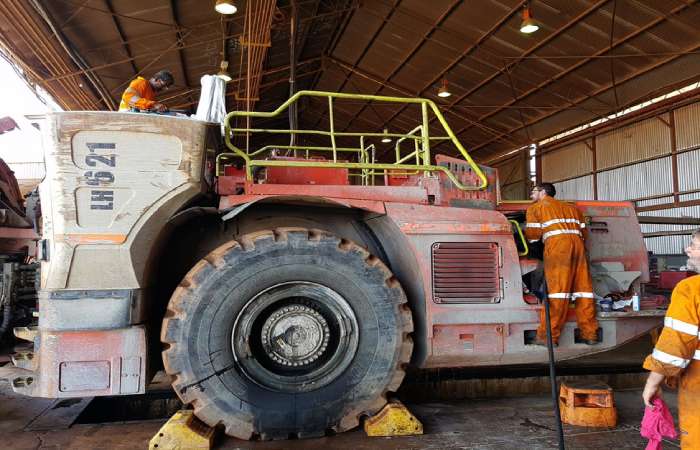
There’s also the question of how tough the materials are. Safety structures on mining sites—think railings and barriers—are built from steel that’s strong enough to cope with extreme environments. For example, properly designed handrails play a key role in underground mining safety by shielding workers from hazards and holding up against bad weather and constant use.
By making durability a priority, steel barriers and railings help prevent accidents and keep everyone feeling more secure. Reliable safety features mean mining can keep going without sudden breakdowns or concerned phone calls, letting everyone get on with the job at hand.
Cutting-Edge Fabrication Techniques and Technological Advances
Automation and advanced robotics are changing the way mines operate, taking over repetitive and risky jobs that used to rely on people. This shift not only boosts productivity but also means fewer injuries on site. Fewer people need to be close to dangerous equipment, and tasks get done more quickly and accurately, making mining safer for everyone.
New tech like real-time monitoring pulls in constant data on how machinery is performing and what’s happening in the environment around it. This steady stream of insight means maintenance can be done before things break down, helping prevent costly delays and stretching out the life of expensive gear.
Big steps forward in fabrication are making equipment even tougher. CNC machinery, for example, can shape components precisely to fit any challenge, no matter how rough the mining site gets. Accurate cutting and shaping mean that everything slots into place and does its job reliably for longer.
High-strength welding methods add yet another layer of confidence that the finished parts will hold up where it counts, even in harsh conditions. With these improvements, mining machines last longer, get repaired less often, and everyone benefits from greater reliability and safety while on the job.