

When employees leave organizations that seem ethical, stable, and financially sound, leaders are frequently confused. Exit interviews might mention vague reasons, such as “better fit” or “new opportunities,” but those answers rarely tell leaders everything they want to know about what’s going on. In many well-run organizations, attrition isn’t driven by poor pay, bad leadership, or toxic culture in the obvious sense. Rather, professionals leave because subtle, compounding issues quietly erode their trust, energy, and clarity over time. These matters can go unnoticed precisely because the organization might be doing many other things right.
Hiring employee retention services can help your growing business keep more of its talent around longer. Additionally, it helps you understand why this happens by looking past common clichés and focusing on the daily friction your employees experience when they’re trying to do good work.
Ambiguity Is More Draining Than Conflict
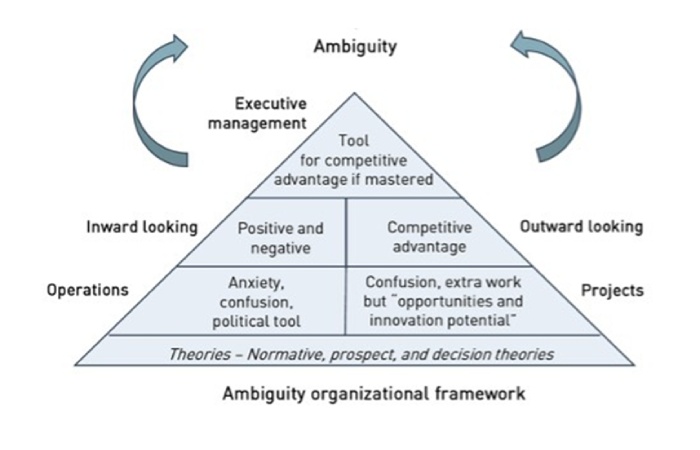
Ambiguity in the workplace is often the most overlooked driver of attrition, and it’s almost always one of the biggest factors. When expectations are clear, employees can tolerate change, hard work, and even disagreement. What wears professionals down is not knowing what success looks like, how decisions are made, or knowing where they stand.
This vagueness can show in many ways, such as inconsistent feedback, vague performance metrics, shifting priorities, and unclear role boundaries. An employee could technically be performing well but still have feelings of anxiety if they don’t understand how their work connects to broader goals or receive evaluations from their superiors. Over time, this uncertainty results in a mental load. Professionals start second-guessing themselves, hesitating to make decisions or even becoming disengaged to avoid making mistakes.
Leaders miss this time and again because ambiguity doesn’t look like a crisis. Projects still get done, and meetings still happen. However, the emotional cost quietly accumulates until an employee decides it’s simpler to leave than to continuously navigate unclear terrain.
Manager Load and Invisible Bottlenecks
Manager overload is another subtle factor. In many well-run organizations, high-performing managers are rewarded with increasing levels of responsibility, ranging from additional projects to larger teams. That might seem logical at first, but it can also unintentionally lower the caliber of leadership employees experience on a daily basis.
Overloaded managers don’t have as much time for meaningful check-ins, much less coaching. Response times are slower, too. Small issues that they could otherwise resolve quickly often linger. Employees can feel unsupported, not because managers don’t care but because they are just stretched too thin.
From an employee’s perspective, this might feel like indifference or even neglect, even if leadership’s intentions are good. When professionals don’t feel guided or even seen, they begin to disengage. Leaders frequently miss this when they equate manager competence with capacity and assume strong managers can handle heavier loads without consequences.
Uneven Policies Create Quiet Resentment
Well-run organizations usually pride themselves on their flexibility, but it can backfire when that flexibility lacks consistency. Employees notice when leaders apply policies unevenly across individuals or teams. Who gets exceptions to schedules or deadlines? Who enjoys remote work privileges? Who receives extra support during a busy period?
Even when choices are justified, a lack of transparency can result in perceptions of unfairness. Employees might not openly complain, but they remember these moments anyway. In time, small inconsistencies accumulate, leaving people to feel that the system they’re part of is biased or arbitrary.
Leaders might assume their policies are clear when they’re outlined on paper or in digital documents. In truth, it’s the lived experience of those policies that dictates whether employees feel fairly treated and respected.

Process Friction and Administrative Fatigue
Administrative friction is another commonly missed driver of attrition. It’s rare for an employee to leave an organization due to a single process, system, or form, but constant inefficiency wears professionals down. Frustration can mount due to delayed reimbursements, confusing compliance requirements, unclear payroll processes, or complicated benefits enrollment.
Broader structural support often becomes important here and, in some cases, involves bringing in support outside of daily operations, such as a PEO. So, what is a PEO and how could it help? A Professional Employer Organization can support growing businesses by helping manage HR functions, including benefits administration, payroll, workers’ compensation, and compliance. When administrative systems run smoothly and policies are clear, employees spend less time navigating friction and more time focused on their work. For more related articles visit our website
Growth Without Support Feels Like Pressure
High-performing companies can grow quickly; expectations increase, roles expand, and responsibilities evolve. However, if growth outpaces support structures, the employees along for the ride might feel like they’re always chasing moving targets. This is even more problematic when the HR infrastructure does not scale with the business expansion.
Instead of relying on informal knowledge or ad hoc solutions, leaders should favor clear processes and HR outsourcing services to prevent confusion and workplace burnout. Thoughtful implementation of additional support can help improve compliance, standardize policies, and reduce strain on internal teams.
Why Leaders Don’t See It Coming
Perhaps the most difficult aspect of subtle attrition drivers is how rarely they trigger alarms. Productivity might remain high until the moment an employee submits their resignation. Engagement surveys might not capture nuance, and many professionals leave without ever stating their frustrations.
Leaders frequently focus on outcomes, strategy, and external challenges. They might miss the quiet signals of employees’ stress beneath the surface. Some organizations address these challenges by focusing less on slogans and perks and more on consistency, workload balance, and clarity.
Why Employees Really Leave
Employees don’t leave well-led companies because they think something is obviously broken; they leave when small, unresolved issues make their work feel more difficult than it has to be. Administrative friction, uneven policies, manager overload, and ambiguity slowly erode trust and energy over time.
Organizations that reduce this friction create environments where work feels clearer and more sustainable, making employees more likely to stay because their experience supports their ability to do good work.
Trackbacks and Pingbacks