
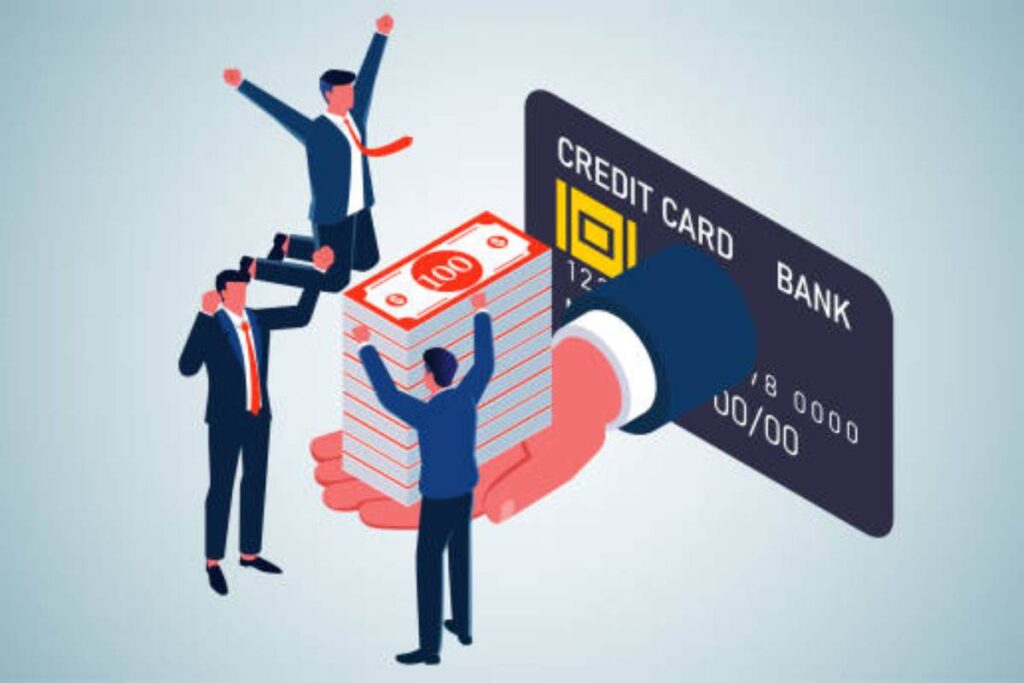
India’s credit card market is on a growth trajectory, with millions of new cards issued every year. For banks and NBFCs, this surge of new credit cards issued presents both an opportunity and a challenge.
While banks may not hesitate with smooth disbursal, credit card loans keep piling up in delinquency. Yes, high-volume disbursal is the way to increase profit from interest. However, not compromising on yields is just as important. So, what’s the strategy then?
The answer lies in combining digital-first strategies with smart risk management. We’ve explained this strategy with valuable yet simple details for you to remember and use. Here’s how it actually works.
Why Credit Card Loans Matter Now More Than Ever?
Picture this: A customer swipes their card for a quick gadget buy, turns it into a credit card loan via EMI, and suddenly, your portfolio’s yield dips because repayments lag. Banks and NBFCs issued over 100 million cards last year, but NPAs are creeping up thanks to economic wobbles. The fix? Smart programmes that scale disbursals while squeezing max returns.
I remember a mid-sized NBFC friend of mine (let’s call him Raj). He was drowning in manual approvals until they flipped to digital. The result? It was shockingly positive. Disbursals jumped almost 3x, yields held steady at 18%. And truth be told? It’s not magic; it’s enterprise strategy.
RBI’s watching closely with those 2025 card directions (no unsolicited offers, full consent), but that’s opened doors for tech-savvy plays.
Core Components: Building BlocksYou Can’t Skip
Start simple. A solid credit card loan programme rests on three pillars: origination, risk smarts, and recovery muscle.
Origination
Origination is your front door. Forget paper forms; go digital with platforms that let users build their own card—BYOC style.
They pick rewards, limits, and even designs. It’s like IKEA furniture: you assemble it, you love it more. That’s the IKEA effect in action, where psychology boosts loyalty. When credit card users put time and effort into designing their own card, they feel ownership, repay faster, and as a result, yields climb up.
Risk
Risk? Yes, there’s risk in segmenting borrowers and disbursing credit card loans without worrying about yields. Solutions? Use basic MLto segment borrowers. High volume means serving everyone from salaried millennials to small traders. Additionally, score them quickly: income data from India Stack, spending habits from UPI, instead of simply going on your gut feelings.
Recovery
This is where most banking enterprises fall flat. They have plenty of options for providing credit card loans, sometimes a few tricks up their sleeves to mitigate risks when choosing customers, but hardly any strategies for recovery.
That’s when you integrate neo-collections tools right from day one. Send gentle nudges in your desired local language (or English): “Hey, split that EMI? We’re here to help.” It’s not a trick; sending nudges (RBI-compliant, of course) cuts losses significantly.
Strategies for High-Volume Credit Card Loan Disbursal
Here are the strategies to disburse credit card loans in high volume without compromising on yields:
1. Collaborate with Fintechs
High volume sounds risky, right? Not if you partner up. Banks with big balance sheets issue solo, but NBFCs shine in co-brands. So, team with HDFC or ICICI, layer on fintech APIs for instant credit card loan approvals. UPI credit lines? Game-changer. Customers tap, get pre-approved limits—no app downloads.
2. Leverage Data-Driven Underwriting
Traditional data sources are reliable. But what if you could move beyond and access utility payments, checking account patterns, and social network data of customers? Currently, that’s the best way to assess the creditworthiness of a wide range of your customers. Results? Your risk profile allows banks to extend offers to segments that are potentially profitable. Sometimes, they are often overlooked.
3. Take Credits to Ethera Solutions
They nailed this with Ethera. Their digital banking suite handles BYOC journeys, pre-approved cards, and even portfolio servicing. With Creditas Ethera on your side, it’s easier to disburse up to 50,000 credit card loans in a quarter. But how? Hyper-personalisation is the answer.
4. Proactive Credit Line Management
Struggling to manage delinquencies? Think of this solution way ahead of disbursal with regular credit line management. An automated system that regularly reviews credit lines and adjusts according to repayment behaviours helps a lot.
Optimally assigned credit limits increase usage. It generates higher interest income and minimises risks of default by aligning the limit with the financial capacity of the customer.
5. Focus on Customers You Already Know
Stick with your current customers—like those with savings accounts or home loans. Use what you know about them to suggest credit cards that fit perfectly. These folks are safer bets: less fraud, fewer defaults.
Make offers personal. Group them by needs, then tweak rewards or payment plans just for them. It’s simple, it builds trust, and keeps them coming back.
Yield Optimisation: Squeeze More Without Squeezing Customers
Dynamic Pricing First: Disbursal gets the loans out, but yields pay the bills. Adjust rates live based on risk—12% APR for safe bets, 15% for edgier ones with incentives to sweeten the deal.
IKEA Effect Builds Stickiness: Custom credit card loans tap the IKEA effect—users overvalue what they create, so they stay loyal and skip rivals. Here’s the strategy: Add seamless upsells. Flip spends into loans, piling on rewards.
Collections: Digital Goldmine: Forget pushy calls; AI chatbots predict defaults and negotiate gently. Creditas resolves 70% agent-free, empathetic, smart, dropping PAR and boosting yields 20-30%.
Track These Metrics: Keep CAC under ₹500, LTV above 5x, yield spread at 4-5%. A/B test BYOC designs to nail conversions.
Pitfall Warning: No blind volume chases—that 2024 NBFC crash came from over-disbursal sans recovery. Balance disbursals with safeguards.
Challenges and the Road Ahead
Regulations always tend to be a challenge for banks and NBFCs since compliance isn’t easy. Most digital lending solutions and enterprises find it difficult to comply with the RBI’s no to aggressive cross-sells. Additionally, data privacy has to be iron-clad with consent. Compliance automation, along with recovery, is a solution. But that also comes with tech investments. So, banks and lending enterprises can depend on loan management software or digital banking solution partners like Creditas.
To scale credit card loans and maximise returns, banks should leverage data analytics for targeted marketing and risk assessment, prioritise a seamless digital user experience, and diversify their product offerings, including high-margin commercial cards.
Trackbacks and Pingbacks