
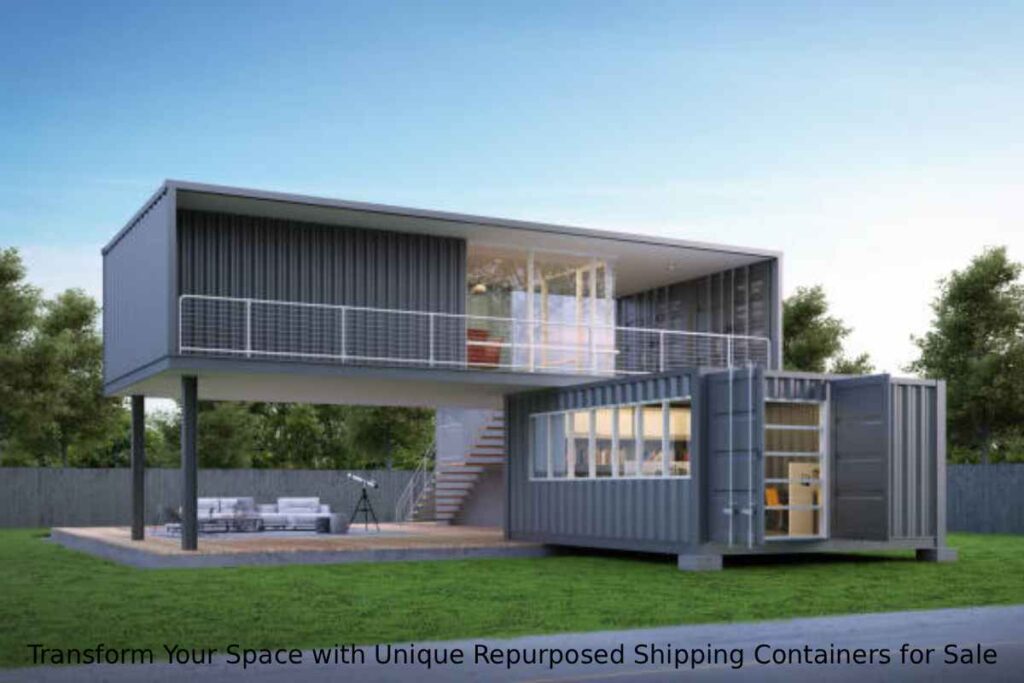
Repurposed shipping containers for sale have become one of the most versatile and creative building solutions of the last decade. Their strength, modular design, and industrial appeal make them ideal foundations for projects that range from modern homes to retail shops and artistic installations. As sustainability and customization grow in importance, these steel structures offer people the chance to design spaces that are both functional and visually striking. This guide explores why shipping containers are such powerful design tools, how they can be transformed, and what buyers should know before investing.
Why Shipping Containers Are the Perfect Canvas for Creative Design
The Unconventional Aesthetic: Industrial Meets Modern
Shipping containers were once used exclusively for the transport of goods across oceans. Today, they have taken on a second life as design elements that merge industrial character with contemporary style. Their strong geometric lines, durable metal surfaces, and bold profiles create a modern look that stands out in residential, commercial, and artistic environments. Designers value their clean minimalism, which pairs beautifully with materials such as glass, wood, or greenery.
Because they are modular, containers can be placed side by side, stacked, or arranged in sculptural layouts. Large cutouts for windows, skylights, or sliding glass doors create bright, open spaces that feel anything but confined. This combination of industrial toughness and modern design makes them a favorite among those who want something distinctive and conversation worthy.
Sustainability in Style: Eco-Friendly Construction Solutions
Repurposing a shipping container is an environmentally conscious choice. Instead of letting unused containers rust away in ports, builders transform them into vibrant new structures that reduce the need for traditional construction materials. This reuse decreases waste and minimizes the environmental impact compared to starting from scratch.
Shipping containers can also be retrofitted with insulation, energy-efficient windows, green roofs, and solar systems to create eco-friendly spaces. Many projects incorporate reclaimed interior materials to further reduce their footprint. By choosing container construction, individuals and businesses support sustainability without sacrificing style or utility.
Versatility of Use: From Homes to Offices and Beyond
One of the greatest strengths of shipping containers is their adaptability. Their structural integrity and rectangular form allow them to be modified for countless uses.
They can become:
- Cozy modern homes
- Stylish offices or coworking pods
- Pop-up stores and mobile retail shops
- Classrooms and community centers
- Artist studios
- Cafes, bars, or small restaurants
Because they are built to withstand harsh conditions, containers can be used in diverse climates with the proper insulation and ventilation. Their portability also means they can be relocated if necessary, which appeals to businesses and individuals with evolving needs. Whether used alone or combined in elaborate configurations, these containers meet a wide variety of functional and aesthetic goals.
Transformative Projects: Inspiring Uses of Repurposed Containers
Stunning Shipping Container Homes: The Ultimate Living Experience
Shipping container homes have become emblematic of a new approach to living. These homes range from minimalist single-container layouts to multi-container designs that rival traditional architecture in beauty and function. With thoughtful planning, container homes include modern kitchens, open living areas, private bedrooms, and spa-like bathrooms.
Large glass panels can flood the space with natural light, while rooftop decks and outdoor extensions create a sense of openness. Many homeowners install solar power, rainwater collection systems, and eco-friendly heating and cooling. Container communities have also emerged, where multiple families or individuals share amenities and build supportive, environmentally conscious neighborhoods.
Innovative Retail Spaces: How Containers Are Changing Shopping
Retail is evolving quickly, and shipping containers have become an exciting tool for brands seeking memorable customer experiences. Pop-up shops created from containers allow businesses to appear at festivals, markets, or seasonal events. These compact units create a sense of novelty and draw customer attention.
Entrepreneurs value the affordability and flexibility of container retail. Stores can be relocated, redesigned, or expanded with ease. For established brands, containers provide a way to test new markets without long-term commitments. They also foster community engagement by offering creative spaces that highlight local makers and small businesses.
Artistic Installations: Shipping Containers as a Medium for Expression
Artists and designers increasingly use shipping containers as art mediums. Their sturdy frames and flat surfaces provide ideal foundations for murals, sculptures, or walk-through exhibits. Containers are often converted into immersive galleries, performance spaces, or interactive installations that encourage visitors to explore and engage.
These artistic projects challenge the idea that containers are merely industrial objects. They become platforms for storytelling, cultural expression, and community dialogue. As public appreciation for sustainable and unconventional art grows, container installations continue to gain visibility and acclaim.
Practical Considerations: What to Know Before You Buy
Choosing the Right Container: Size, Condition, and Features
Selecting the right shipping container begins with understanding your project’s needs. Standard sizes include 20-foot and 40-foot options, but high-cube containers offer additional vertical space. The choice depends on the amount of room you require and how the container will be modified.
Condition is equally important. New or one-trip containers are in excellent shape and easier to work with, while used containers offer cost savings but may require refurbishment. Buyers should inspect for rust, dents, and structural issues.
Consider features such as:
- Double doors
- Ventilation
- Insulated panels
- Pre-cut openings
Thorough research ensures the container aligns with your vision and budget.
Permitting and Zoning: Navigating Legal Requirements
Before starting construction, it is essential to understand your local zoning laws and building codes. Regulations may dictate whether containers can be used for residential, commercial, or temporary purposes. Permits are often required for structural modifications, foundation work, and utility connections.
Consulting with professionals experienced in container architecture can simplify the process. Communicating with local authorities early helps avoid delays and ensures your project complies with safety standards.
Transport and Installation: Logistics of Bringing Your Vision to Life
Once you have selected your container, transport and installation become the next steps. Containers require specialized equipment to lift and move them safely. Experienced transport companies can coordinate routes, permits, and delivery.
Site preparation may involve:
- Leveling the ground
- Installing a foundation
- Preparing drainage
- Ensuring proper access for cranes or forklifts
Careful planning ensures your container arrives intact and is placed correctly, setting the stage for modifications and design work.
Future-Proofing Your Investment: Is a Shipping Container Right for You?
The Longevity Factor: Durability and Maintenance of Containers
Shipping containers are engineered to endure extreme conditions, which makes them strong and long-lasting. With proper maintenance, they can provide decades of reliable use. Regular tasks may include repainting to protect against rust, sealing openings, checking insulation, and maintaining any added systems.
This durability makes containers a smart investment for homes, businesses, and creative projects. Their resilience allows them to stand up to weather, transport, and daily use with minimal upkeep.
Market Trends: The Growing Demand for Shipping Container Solutions
The demand for container-based projects continues to rise as people seek sustainable, flexible, and affordable alternatives to traditional construction. Trends such as remote work, mobile entrepreneurship, and minimalist living have contributed to this growth. Social media exposure has also made container designs more accessible, inspiring people around the world to pursue their own container transformations.
As innovation continues, shipping containers are expected to play an increasingly prominent role in modern architecture and community development.
Real-Life Success Stories: Testimonials from Container Owners
Many individuals and businesses share positive experiences about their container transformations. Homeowners appreciate the freedom to customize and the reduced construction costs. Retail owners highlight the attention-grabbing nature of container shops, which often attract more customers than conventional storefronts. Communities benefit from container-based social hubs that bring people together.
These stories reveal the transformative power of repurposed shipping containers for sale and show that they are far more than simple structures. They are platforms for creativity, sustainability, and meaningful change.