
Living in the European Union can feel very different depending on which of the 27 member states you choose. Each country has its own language, culture, everyday habits, job market, salary levels, and cost of living. Because of this, it is better to think about which country suits you, rather than focusing on moving to the European Union as a whole. Every destination has its strengths, but some are mentioned far more often in expat conversations than others. Based on what people regularly share in these communities, we put together the following list, which also includes a less well-known option.
Where should I relocate to in the EU?
Life in the European Union can look very different depending on where you choose to live. A quiet town in southern Italy might mean slower mornings and long lunches, while everyday life in Berlin is shaped by deadlines, packed public transport, and a busy work culture. These differences are common across all 27 member states and often exist within the same country. Housing costs, salaries, and work habits can change noticeably from one region to another. If you are still deciding where to relocate, the countries below are based on patterns that appear again and again in expat discussions.
Hungary
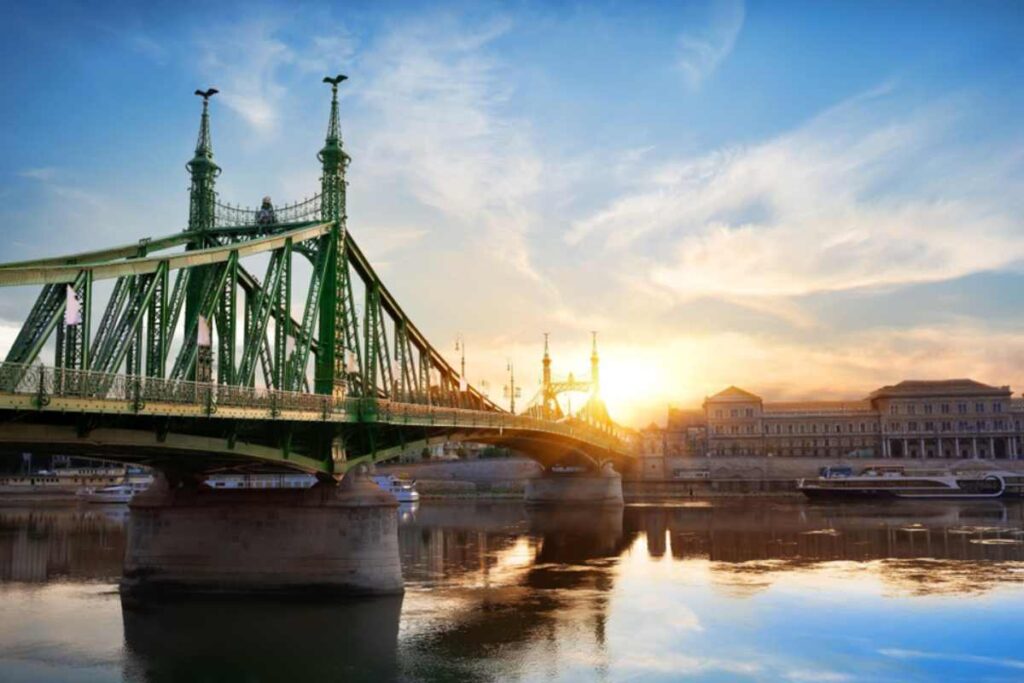
Hungary is rarely the first country people mention when thinking about relocation in Europe, but many expats speak positively about everyday life there. Safety is often highlighted, especially in larger cities, and international rankings such as the Global Peace Index regularly place Hungary among the more peaceful countries worldwide. Living costs are lower than in most Western European capitals, with Budapest rents commonly reported as around half of those in cities like Berlin or Amsterdam, based on cost-of-living comparisons from Numbeo. Public healthcare and education are state funded, and Budapest has a visible international community. Interest has also increased due to the Hungary Golden Visa, which offers a legal residence option for non-European Union citizens.
Portugal
Portugal has become a familiar name in relocation conversations over the past few years. In cities like Lisbon, foreigners make up close to one in ten residents, based on national statistics. Many people move for the climate, with much of the country seeing well over 300 sunny days per year. While housing costs have risen, overall living expenses remain lower than in many northern European capitals, according to Numbeo. Expats often mention that daily life feels calmer, even in larger cities.
Germany
Germany is often chosen for work-related reasons. It has the largest economy in Europe and offers strong job prospects in fields such as engineering, technology, and manufacturing, as shown in Eurostat employment data. Major cities attract large international populations, especially Berlin and Munich. Public transport and healthcare are reliable and widely used. At the same time, housing has become a challenge, with rents in big cities rising steadily over the last decade.
Spain
Spain appeals to people who prioritise lifestyle over fast career progression. The country has one of the highest life expectancy rates in Europe, at just over 84 years. Living costs are lower than in northern Europe, particularly outside the largest cities. Coastal areas have especially large foreign populations, and in some regions expats make up more than 15% of residents. Lower salaries are a common trade-off, but many find the pace of life worth it.
Netherlands
The Netherlands is known for its organised systems and straightforward work culture. English is widely spoken, with government surveys suggesting that around 90% of the population can communicate in it. Salaries are competitive, especially in technology and logistics. Housing is expensive, and Amsterdam frequently appears among Europe’s most costly rental markets in Numbeo comparisons. Despite this, many expats stay for the structure, services, and predictable work hours.